
Changing a name takes an afternoon. Rebuilding a product takes a reason. Ours was simple and a little brutal: the way people applied for jobs in 2023 stopped working in 2026, and the tool we had built for the old world could not keep up with the new one. So we rebuilt it - the pipeline, the interface, the identity - and shipped it as ApplyJobFaster.
This is the story of that revamp. What broke, what we changed, and where we are taking it next. If you used us as Resume-MCP, this explains why everything looks different. If you are new, it explains why we exist at all.
The market we built for is gone
When Resume-MCP started, the core insight was that tailoring a resume to a job description measurably improved callback rates, and that doing it by hand was tedious enough that most people skipped it. Automate the tailoring, and you win. That was true, and it is still true. But it is no longer the whole game.
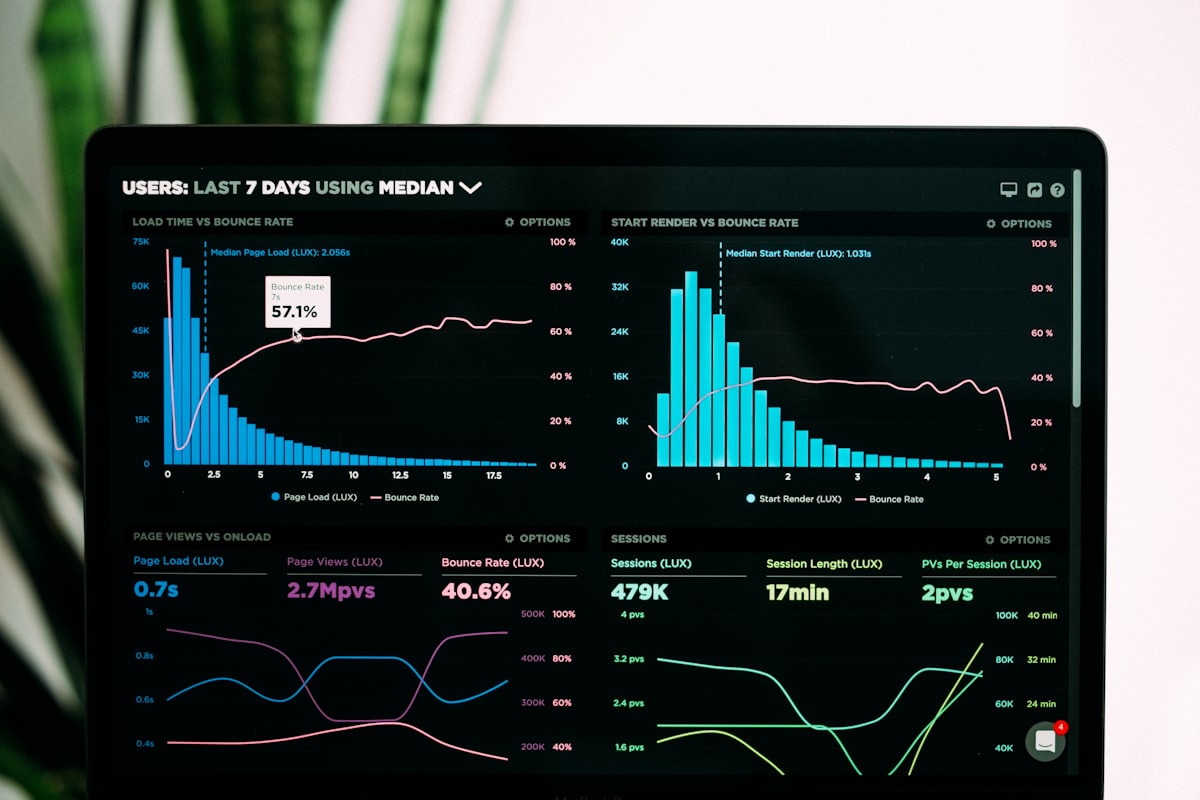
Three things shifted underneath us at the same time:
- Volume exploded. One-click apply buttons and AI resume generators made it trivial to fire off applications. A single posting now routinely draws hundreds of them. The average serious job seeker sends far more applications than they did three years ago - and hears back on far fewer.
- AI moved to both sides of the desk. Applicants use AI to write resumes. Employers use AI to screen them. When machines talk to machines, generic output gets filtered instantly, and the only things that survive are relevance and proof.
- Trust collapsed. Ghost jobs, evergreen reqs, and postings that exist only to pool resumes mean a chunk of every application effort goes nowhere by design. Speed and targeting matter more than raw effort.
Tailoring a resume is still necessary in that world. It is just not sufficient. You also have to be fast, you have to reach a human, and you have to prove you are not one of the three hundred generic applicants in the pile. The old product did one of those three things well. The revamp is about doing all three.
What "apply faster" actually means
The new name is a thesis, not a slogan. In a market where a role can collect hundreds of applicants within a day of posting, being early and being relevant beats being polished and late. Studies of application timing keep landing on the same uncomfortable truth: a strong application sent in the first 48 hours outperforms a perfect one sent a week later, because by week's end the shortlist is often already drawn.
The winning move in 2026 is not a better resume in isolation. It is the right resume, in front of the right person, before the pile gets too deep to matter.
So we reorganized the entire product around collapsing the time between "I found a job" and "I sent a real application." Not a saved draft. Not a queued task. A tailored resume and a grounded cover email, actually sent, in under a minute.

What actually changed in the revamp
Under the hood and on the surface, here is what the rebuild touched.
1. A faster, parallel tailoring pipeline
The resume customizer now works in parallel chunks - header and skills, experience, and projects are tailored concurrently rather than in one slow pass. If one section's generation hiccups, the rest still complete. The result is a tailored resume that compiles to a clean PDF in seconds, not the better part of a minute.
2. Apply, not just generate
The old flow ended at a PDF. The new flow ends at a sent application: tailor to the job description, generate a cover email that is grounded in your actual resume text, and send it from your own connected Gmail so it lands as a normal message from you - not from a robot. That single change is the difference between a document tool and an application tool.
3. A rebuilt, calmer interface
We threw out the cramped, cool-toned dashboard and rebuilt it around a warmer, orange-forward design that matches the new logo, with a light and dark mode that actually holds up. Every action - create, tailor, update, apply - is one clearly labeled step. The point was to remove friction, because friction is the enemy of speed.
4. Reliable storage and delivery
Your PDFs live in durable cloud storage with stable links that keep working weeks later, and the same application can be delivered through the web app, Telegram, or an MCP client. Wherever you are when you spot a job, the tool meets you there.

Before and after, honestly
| Dimension | Resume-MCP (before) | ApplyJobFaster (after) |
|---|---|---|
| Core outcome | A tailored PDF | A sent application |
| Tailoring speed | Single-pass, slower | Parallel chunks, seconds |
| Outreach | Manual, on you | Grounded cover email from your Gmail |
| Interface | Cool, cramped, one theme | Warm, spacious, light and dark |
| Where it works | Mostly the web app | Web, Telegram, and MCP clients |
What stayed exactly the same
The revamp was aggressive about the experience and conservative about your trust. Your account, your saved resumes, your token balance, and your connected Gmail all carried over untouched. If you were a Resume-MCP user, you sign in at applyjobfaster.com and everything you had is still there. MCP users only need to point their client at the new api.applyjobfaster.com endpoint.
Where we are taking it next
The revamp is a foundation, not a finish line. The direction is clear: help you reach humans faster and prove your fit harder. That means smarter recipient discovery so an application can find the right inbox, warmer referral and follow-up flows, and tighter feedback on whether a given resume actually matches a given job before you spend a token on it.
The market rewarded speed and relevance this year, and every sign says it will reward them more next year. We rebuilt ApplyJobFaster to be the fastest honest way to get a real, tailored application in front of a real person. That is the whole idea, and now it finally has the engine and the interface to match.
Ready to try the rebuilt version? Head to applyjobfaster.com, bring one job description, and send your first tailored application before your coffee gets cold.